

Buying on the Water
Buying a Lake Home in Fall or Winter in Minnesota: What You Can't See and How to Check It
The docks are out and the lake is white. Here's how to check what you can't see, and why winter can still be a good time to buy.
Short answer: You can buy a lake home after the docks come out. You just have to replace what you can't see. Ask for summer photos and video of the shoreline and water, pull the lake's depth map on DNR LakeFinder, get the dock and lift spelled out in the purchase agreement, and if the home is on septic, find out early how the county or city handles a sale when the ground is frozen.
A lot of buyers wait for ice-out. If the right home is on the market now, you don't have to.
Fall and winter are a real buying season on our lakes. I've put the lake-by-lake facts on my lakes guide. This is the checklist for buying when the water's hard.
What can't you see when buying a lake home in winter?
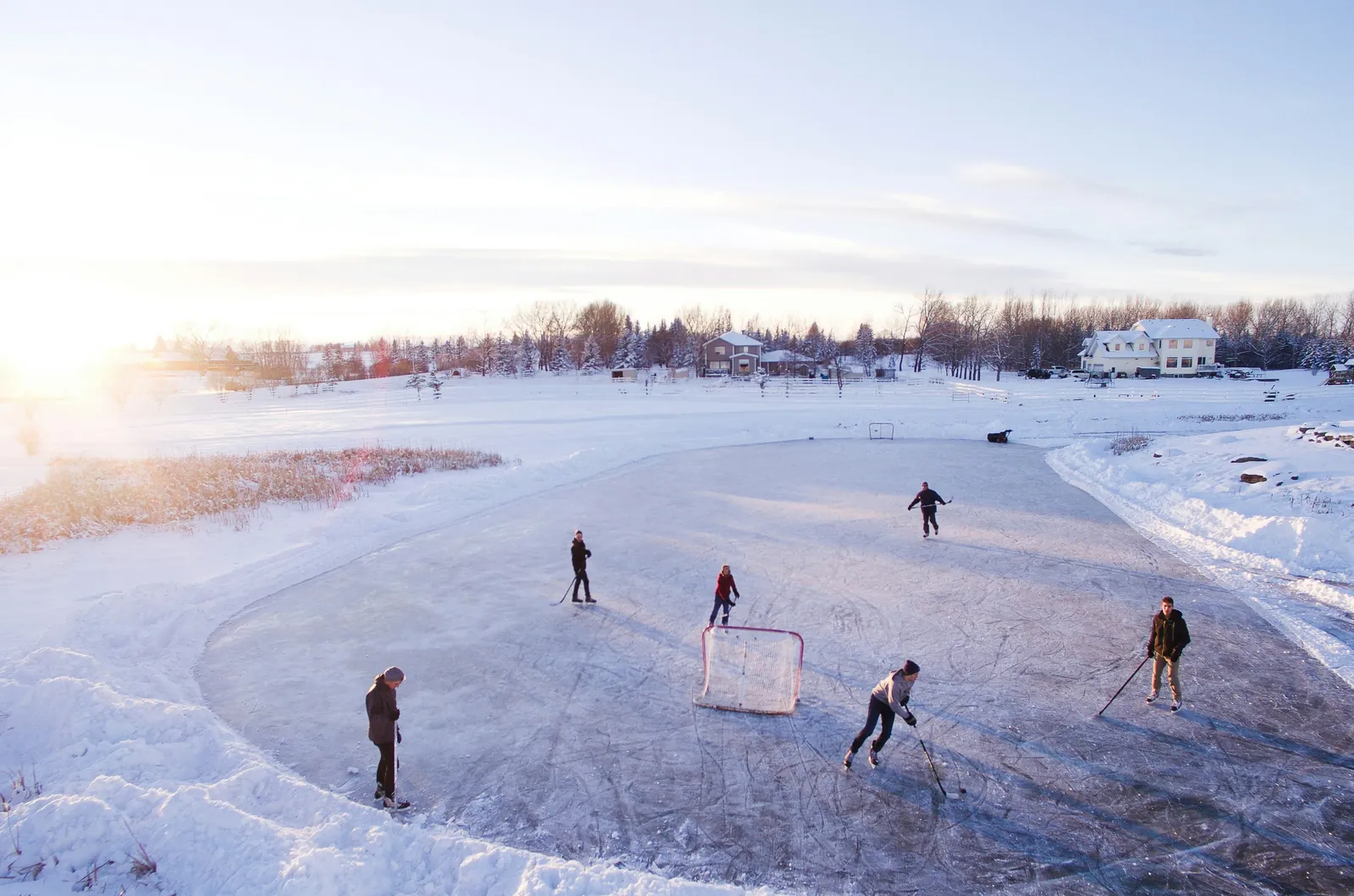
In October you can still see most of it. By January you're buying a white yard and a flat sheet of ice. Things you can't judge well in winter:
- Shoreline condition and erosion
- Sand, rock or muck bottom
- Weeds and water clarity off the dock
- Water depth at the end of the dock
- How the lot drains when the snow melts
- Boat traffic and noise on a summer weekend
None of that is a reason to wait. It's a list of things to replace with records, photos and the right purchase agreement terms.
You can buy a lake home after the docks come out. You just have to replace what you can't see.
How do you check the shoreline and water in winter?
Ask for summer photos and video, especially from the end of the dock looking down and out. Ask the seller what the bottom is like and how far the dock runs.
Pull the DNR record. Minnesota DNR LakeFinder has the size, depth map, water clarity readings and public accesses for most lakes. On some lakes it also has a water-level history. If you're looking on White Bear, read my guide to White Bear Lake water levels before you judge a dock in a listing photo.
Know where the rules are measured from. Most shoreline rules run from the ordinary high water level, not the snowline you see in January. My guide to what you can and can't clear in front of a lake home explains what the DNR allows you to change once the water opens.
Don't walk out on the ice to measure anything. The DNR says there is no such thing as 100 percent safe ice, that it doesn't measure ice thickness on Minnesota lakes, and that ice near shore can be weaker than ice farther out (DNR ice safety). Get depth from records and summer photos instead.
What happens with the dock and lift when you buy in winter?
They're usually in storage, which makes them easy to forget. Get it in writing:
- Are the dock and lift included in the sale?
- What condition are they in, and how old?
- Where are they stored right now?
- Who installs them in spring, and who pays for it?
Docks and lifts aren't cheap to replace, so don't leave this to a handshake. If you plan to change the dock, check my Minnesota dock permit guide first. Some lakes, like White Bear, add their own rules on top of the DNR's.
Can a septic system be inspected in winter?
Sometimes, but frozen ground and deep snow can complicate it, so start early. If the home is on city sewer, skip this part.
Minnesota requires sellers to disclose how the home handles sewage (Minn. Stat. 115.55). Many counties and cities also require a septic compliance inspection at sale. Washington County, for example, requires one before a property is sold unless an inspection was done in the last three years or a new system with a valid certificate went in within five (Washington County).
What happens if the system can't be inspected before closing depends on the local rule. Ask the county or city that has jurisdiction what they allow in winter, and write the answer into the purchase agreement: who orders the inspection, by when, and what happens if it fails.
If the home has a private well, Minnesota also requires the seller to disclose it (Minn. Stat. 103I.235). Ask about water testing, too.
Can you get a home inspection in winter?
Yes. Snow can cover the roof and the grading, and some outdoor equipment can't be tested in the cold. Ask your inspector to list in writing anything they couldn't get to, then decide with your agent whether to address it before closing or with a spring follow-up.
Why can fall and winter work in your favor?

Showings are quieter. You can take your time in the house without three other buyers in the kitchen. And you see how the home lives in the season Minnesota has most of the year: how the driveway handles snow, how warm the lake-facing rooms stay, how the home sits once the leaves are down.
You may also have more room to negotiate. In October 2026, Twin Cities inventory was up 10.9% from a year earlier and pending sales were down 16.7%, according to Minneapolis Area REALTORS (October 2026 Monthly Indicators). Across the metro, sellers received 96.8% of original list price in December 2025 and January 2026, versus 99.7% in May 2026. Those numbers cover all homes, not just lakeshore, but the pattern is real.
One more thing: if you close in winter, you get the whole first summer. The DNR's median ice-out date for White Bear Lake is April 13 (DNR ice-out records). That's plenty of time to get the dock in.
If you're relocating and shopping from out of state, my north and east metro lakes comparison is the place to start. If you're on the other side and wondering whether to list now, see should you sell this winter or wait for spring.
Winter lake home buying FAQs
- Is it a good idea to buy a lake home in winter in Minnesota?
- It can be. Showings are quieter, buyers had more choices this fall than a year earlier, and closing in winter gives you the whole first summer. The tradeoff is that snow and ice hide the shoreline, so you rely on summer photos, DNR records and clear purchase agreement terms for the dock and septic.
- What can't you see when buying a lake home in winter?
- The shoreline condition and erosion, whether the bottom is sand, rock or muck, weeds and water clarity, depth at the end of the dock, how the lot drains in spring, and summer boat traffic. Replace each one with seller photos and video, DNR LakeFinder records and questions you put in writing.
- How do I check the water depth at a lake home in winter?
- Use records, not the ice. Minnesota DNR LakeFinder has depth maps for most lakes, and the seller can share summer photos from the end of the dock and how far it runs. The DNR says no ice is 100 percent safe, so don't walk out to measure. Confirm depth in person after ice-out if your agreement allows.
- What happens with the dock when you buy a lake home in winter?
- It's usually in storage. Put it in the purchase agreement: whether the dock and lift are included, their condition and age, where they're stored and who installs them in spring. Docks and lifts are expensive to replace. Check DNR and any lake district rules before planning a different dock.
- Can a septic system be inspected in winter in Minnesota?
- Sometimes, but frozen ground and deep snow can make it harder. Rules come from the county or city with jurisdiction, and they decide what happens if an inspection can't be done before closing. Ask early and write the timing, the responsible party and what happens if it fails into the purchase agreement.
- Do I need a septic inspection to buy a lake home in Washington County?
- Usually, yes. Washington County requires a septic compliance inspection before a property is sold unless one was completed in the last three years or a new system with a valid certificate was installed within the last five. The inspection must be done by a licensed compliance inspector. Confirm the status before you remove contingencies.
- If I buy a lake home in winter, when can I get the dock in?
- After ice-out, and that date moves every year. For White Bear Lake, the Minnesota DNR lists a median ice-out date of April 13, with the earliest on record March 16, 2016, and the latest May 4, 1950. Line up your dock and lift installer during the winter so you know where you are on their spring list.
- Is it safe to walk on a frozen lake to look at a property?
- Don't count on it. The Minnesota DNR says there is no such thing as 100 percent safe ice, that it doesn't measure ice thickness on lakes, and that ice near shore can be weaker than ice farther out. Look at the shoreline from land and use records and summer photos for the rest.
- Can you get a home inspection on a lake home in winter?
- Yes. Snow can hide the roof and grading, and some outdoor systems can't be tested in the cold. Ask the inspector to list in writing what they couldn't inspect. Then decide whether to handle those items before closing or with a spring follow-up written into the agreement.
- Should I wait until spring to buy a lake home?
- Not if the right home is available now. Build the summer checks into the deal instead: photos and video of the water side, dock and lift terms, septic timing and a list of anything the inspector couldn't see. Waiting for spring means more choices, but also more buyers competing for them.
Best, Tim

Tim Ornell | Real Broker Luxury Division
A note
from Tim
Snow hides a lot, but it doesn't hide everything. If you're looking at a lake home this winter, send me the address and I'll send back the questions I'd ask the seller before you write an offer. If you'd rather start on your own, DNR LakeFinder is the best free resource there is for any Minnesota lake.Tim Ornell is a Realtor with Real Broker's Luxury Division who works with lakeshore homes across the north and east Twin Cities metro. More about Tim.
Best, Tim
Tim Ornell | Realtor, Real Broker Luxury Division | 651.263.9480 | timornell.com | [email protected]
Sources
All links opened and checked November 20, 2026.
- Minnesota DNR LakeFinder
- Minnesota DNR, Ice Safety (no 100 percent safe ice; DNR doesn't measure thickness; ice near shore can be weaker)
- Minnesota Statutes 115.55 (seller disclosure of sewage treatment)
- Washington County, Subsurface Sewage Treatment Systems (compliance inspection required before selling; 3-year and 5-year exceptions)
- Minnesota Statutes 103I.235 (seller well disclosure)
- Minneapolis Area REALTORS, Monthly Indicators for the Twin Cities, October 2026 (NorthstarMLS data, 16-county region; new listings, percent of original list price, inventory, days on market, pending sales, median price)
- Minnesota DNR, Ice Out Information for Selected Lakes (White Bear median April 13; earliest March 16, 2016; latest May 4, 1950)